

Arada's $400 Million Sukuk Reopens UAE Property Debt Markets: What It Signals for Founders
Arada has raised $400 million through a five-year sukuk, the first debt issue by a UAE real estate developer since the regional conflict began in February. The 8.875% coupon shows investors are back, but at a price. Here is what was announced and what it means for founders who build, supply or sell into property.
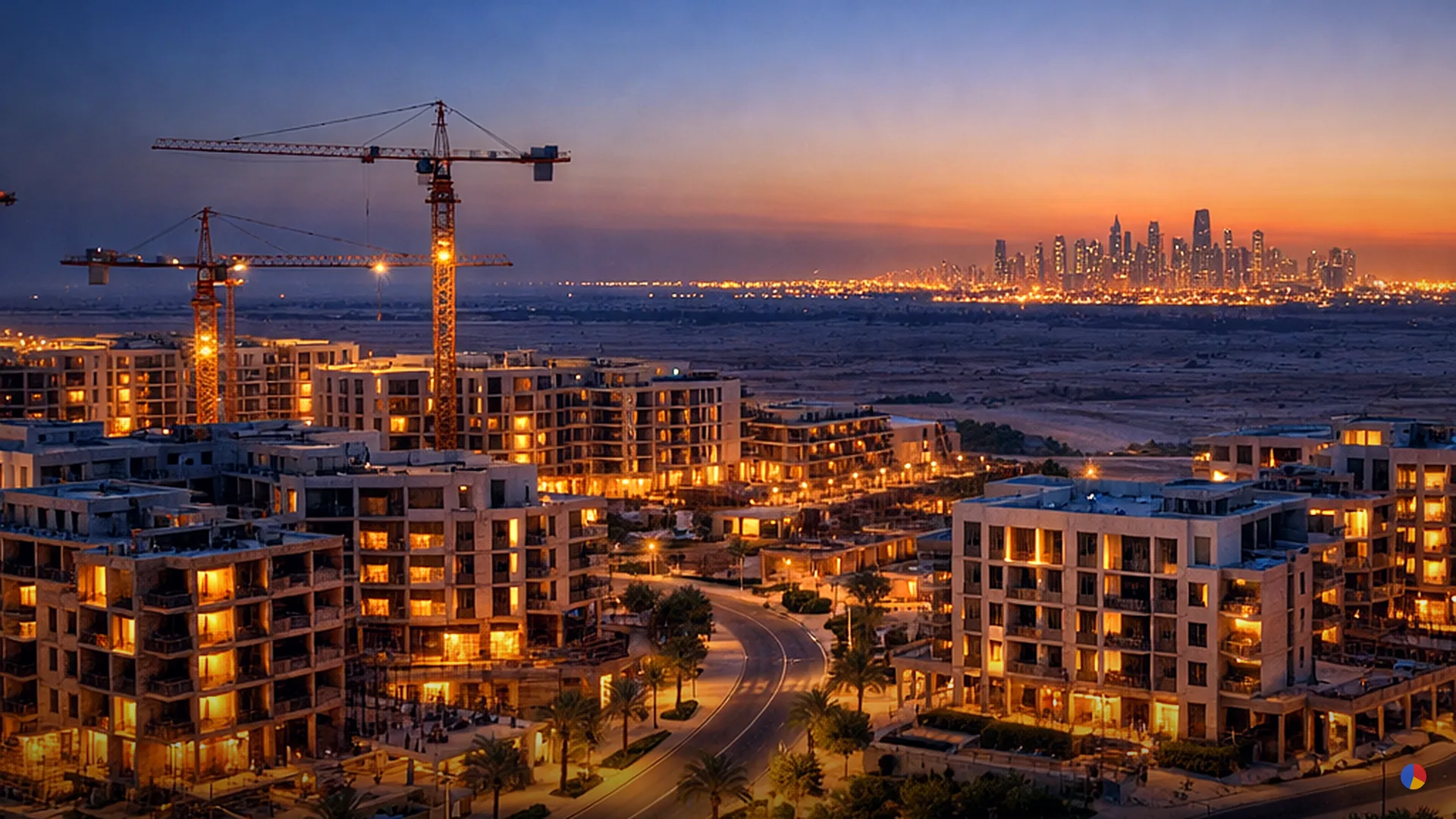
DUBAI — The UAE property sector has its first test of the bond market since the regional conflict began, and it passed, at a price. Developer Arada has raised $400 million through a five-year senior unsecured sukuk, the company said in an October 30 announcement. The company describes it as the first issuance by a UAE real estate developer since the outbreak of the conflict in February 2026.
For founders, the deal is a useful read on how investors are pricing UAE real estate risk, and on whether the money that funds new projects, and the contractors, suppliers and startups around them, is starting to flow again.
The Deal in Numbers
According to Arada and Khaleej Times:
- Size: $400 million, a five-year fixed-rate Reg S sukuk, listed on the London Stock Exchange and Nasdaq Dubai.
- Price: a coupon of 8.875%, tightened from initial price thoughts of 9.375%.
- Demand: a final order book of more than $700 million, excluding joint lead manager interest, with subscription reaching 2x at its peak.
- Ratings: the sukuk carries expected ratings of BB- from Fitch and B1 from Moody’s. Arada itself is rated B1 by Moody’s and B+ by Fitch; Zawya notes both carry a negative outlook.
Seven UAE and international banks acted as joint global coordinators: Abu Dhabi Commercial Bank, Abu Dhabi Islamic Bank, Dubai Islamic Bank, Emirates NBD Capital, First Abu Dhabi Bank, Mashreq and Standard Chartered.
Refinancing, Not Just Expansion
The deal is mostly about managing existing debt. Arada says the issuance is expected to be largely leverage-neutral. Part of the proceeds will fund a capped tender offer of up to $180 million for its existing sukuk, ahead of a $411.7 million sukuk with an 8.125% coupon that matures in June 2027.
That means the new money costs Arada more than the debt it partly replaces: 8.875% versus 8.125%, as Arabian Business points out. Refinancing early at a higher rate is a trade many companies make to remove the risk of a large maturity arriving in a weak market.
“Our return to the international debt markets is a testament to the resilience of Arada’s business and the enduring confidence of regional and global investors not just in our story, but in UAE real estate more generally,” said Prince Khaled bin Alwaleed bin Talal Al Saud, Arada’s executive vice chairman, in the company’s statement.
Who Arada Is
Arada, the developer behind the Aljada community in Sharjah, was launched in 2017. It says it has sold more than 20,000 units in the UAE, valued at more than AED40 billion, completed more than 17,000 units worldwide, and has a global pipeline of existing and future projects worth more than AED185 billion. It operates in the UAE, the UK, Australia, Saudi Arabia and Syria.
What It Means for Founders
This is our editorial reading, not investment advice.
- The door is open again, but credit is expensive. A B-rated issuer paying close to 9% for five-year money tells you where risk is being priced. Founders seeking debt, from venture debt to working-capital lines, should expect lenders to remain selective and should budget for higher costs rather than waiting for a quick fall.
- Watch for a restart in project spending. Developers that can refinance are better placed to keep building. Startups selling into construction and property, including proptech, building materials, fit-out, facilities management and sales tools, should track which developers regain market access and target them first.
- Payment terms matter more than headlines. Even with new funding, developers manage cash closely. Suppliers should negotiate clear milestones, avoid over-concentration on a single developer and keep an eye on counterparties’ maturity schedules.
- Islamic capital markets are a live channel. A sukuk listed on Nasdaq Dubai drew regional and international investors during a volatile period. Growth-stage companies thinking about long-term funding should understand Sharia-compliant structures, as regional banks and investors are active in them.
- Refinance before you have to. Arada moved more than seven months ahead of its June 2027 maturity. For any founder with a loan or facility coming due, starting talks early is usually cheaper than negotiating under pressure.
The Bottom Line
Arada’s deal shows that international investors are willing to fund UAE real estate again, and that they want to be paid well for it. For founders around the property sector, that points to a market where capital is available but costly, and where the businesses with the clearest cash flows will be first in line.
Figures come from Arada, Khaleej Times, Zawya and Arabian Business as of October 31, 2026. Ratings are expected ratings as stated by the issuer.