

Al Satwa Can Now Build Up to Eight Floors: What Dubai's New Planning Rules Mean for Founders
Dubai Municipality has replaced Al Satwa's villa-focused planning rules with options for apartments, ground-floor commercial space and, on consolidated plots of 1,000 square metres or more, a ground floor plus eight residential floors. Here is what changed and what it means for developers, contractors, proptech and the area's small businesses.
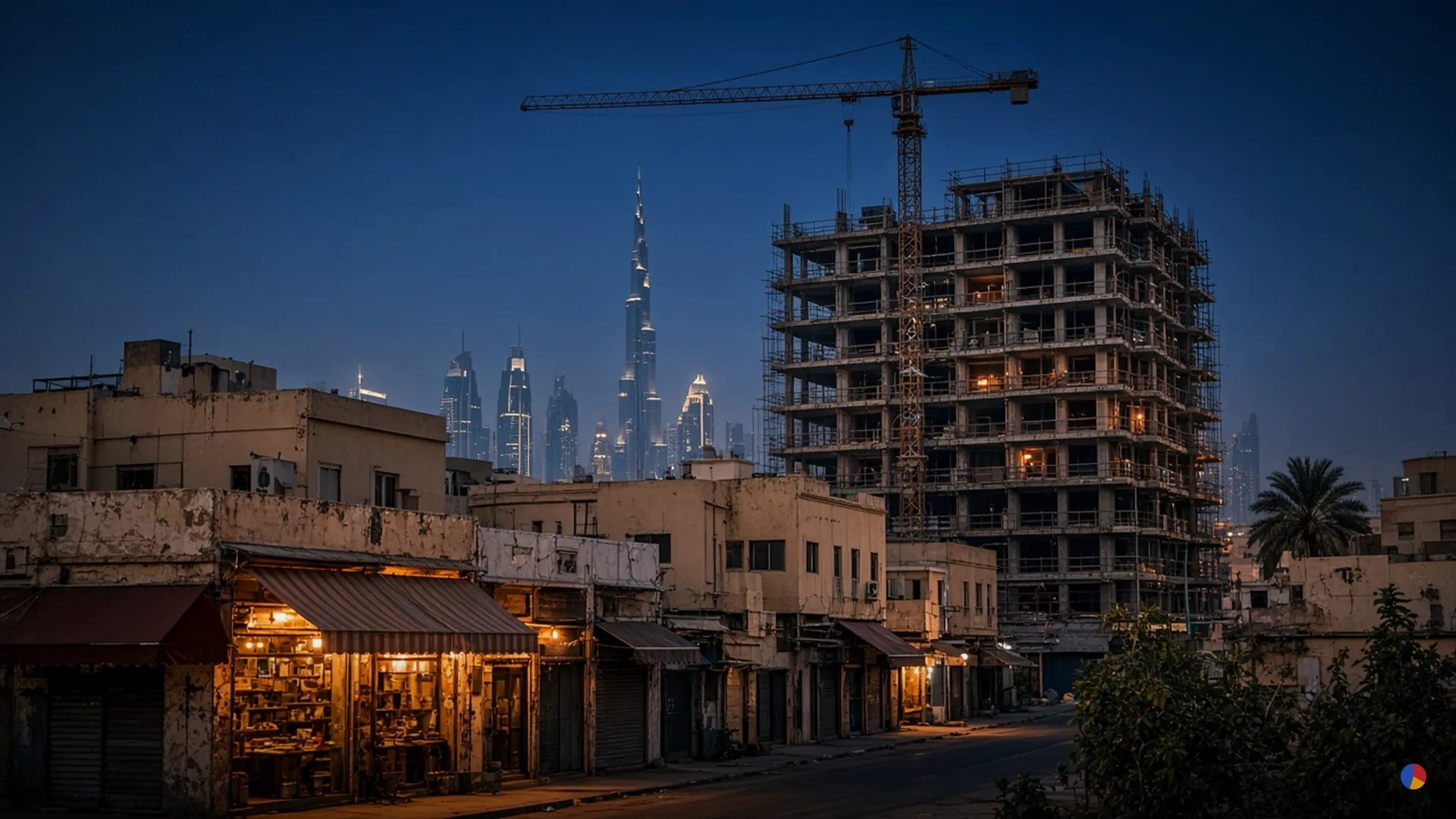
DUBAI — One of Dubai’s oldest neighbourhoods is getting permission to grow upward. Dubai Municipality has updated the planning regulations for Al Satwa, replacing a framework that mainly allowed attached villas with options for apartment buildings, ground-floor commercial space and, on larger plots, buildings of a ground floor plus eight residential floors, WAM reported on November 1.
Al Satwa, which borders Jumeirah and Bur Dubai, is known for its independent shops and restaurants and its diverse expatriate community, and it has been “largely untouched” by the city’s recent development boom, The National noted. The new rules are designed to change that gradually, plot by plot.
What the New Rules Allow
According to the Dubai Media Office and WAM:
- Internal roads: plots can now take a ground floor plus two floors of residential apartments, replacing the previous framework that primarily permitted attached villas.
- External roads: plots get higher-density options, including a commercial ground floor with two or three floors of residential apartments, depending on location and planning requirements.
- Large or combined plots: plots of 1,000 square metres or more, whether they already meet that size or reach it by consolidating two or more plots, can qualify for a ground floor plus eight floors of residential apartments, with a floor area ratio (FAR) of up to 3.5. Owners can include the access lanes between consolidated plots, subject to approved procedures and requirements.
The municipality says the consolidation incentive is meant to encourage smaller plots to combine into larger sites “better suited to integrated development”. It also says it coordinated with service authorities to assess infrastructure and traffic requirements as part of the review. Owners can apply through the Build in Dubai platform.
“By expanding development options and introducing incentives for plot consolidation, we aim to provide landowners and investors with greater flexibility to redevelop their properties and make more efficient use of available land,” said Eng. Mansour Al Rais, director of the Executive Planning Department at Dubai Municipality. “This approach will support the area’s continued development while taking into account its existing urban character and the requirements of future growth.”
Why It Matters
A FAR of 3.5 means the total built floor area can reach up to three and a half times the plot area. On a 1,000-square-metre site, that is up to 3,500 square metres of floor space, subject to all other planning requirements. Under a framework built mainly around attached villas, the new options open a very different kind of project.
The rules also reward cooperation. Many plots in older districts are small and separately owned. The biggest gain is reserved for sites of at least 1,000 square metres, so neighbouring owners who combine plots stand to gain the most.
What It Means for Founders
This is our editorial reading, not investment or planning advice.
- For small developers and landowners: the consolidation route favours people who can bring neighbours together, structure joint ventures and manage approvals. Founders with local relationships and project-management skills may find mid-size redevelopment opportunities that large master developers tend to skip.
- For contractors and construction tech: low- to mid-rise infill on tight urban plots is a different job from greenfield towers. Startups in modular construction, site logistics, building information modelling and permitting software should watch how quickly owners take up the new options.
- For proptech and brokers: plot-assembly data, ownership mapping and feasibility tools become more valuable when value depends on combining plots. So does clear advice to owners on what the new rules allow for their location.
- For Satwa’s small businesses: redevelopment brings construction, possible relocations and, eventually, more residents. Shop and restaurant owners should review their lease terms and renewal dates now, and plan for both the disruption and the new footfall.
- For ground-floor retail and F&B: commercial ground floors on external roads mean new storefronts over time. Founders looking for neighbourhood retail space in central Dubai should keep an eye on projects as they are approved.
The Bottom Line
The Al Satwa update is a quieter story than a new master-planned district, but it may be more instructive. It shows Dubai trying to unlock value in established neighbourhoods by rewarding owners who combine land and build more densely, while saying it will respect the area’s character. For founders, the opportunity lies in the many small projects the rules make possible and in the services those projects will need.
Details come from Dubai Municipality via the Dubai Media Office, WAM and The National as of November 2, 2026. Eligibility depends on each plot’s location and applicable planning requirements; check the Build in Dubai platform for current rules.